


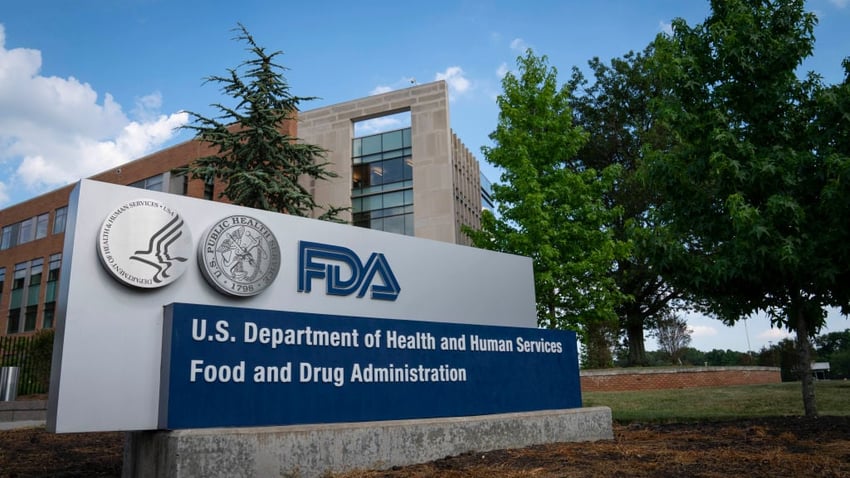
Following a string of customer complaints, a Form 483 and a recall this past spring, a Fresenius manufacturing unit in Utah is contending with a warning letter from the FDA.
The FDA reprimand, dated Aug. 25 and posted to the agency’s website this week, follows an inspection of Fresenius Medical Care’s plant in Ogden, Utah, in early March of this year.
In two observations, the FDA’s concerns focused on the company’s failure to thoroughly investigate customer complaints about its products, plus lackluster inspection protocols at the plant to suss out potential particulate contamination.
Last August, the Fresenius unit kicked off its own investigation due to a “complaint trend” around “leaking bags” of a certain dialysis solution product it sells, per the FDA write-up, which noted that Fresenius Medical Care eventually received 35 complaints related to some 156 bags from multiple batches. At the time, the company attributed the issue to holes caused during the bag printing process, per the FDA.
The manufacturing defect posed the risk of peritonitis, or infection causing the tissue inside the abdomen to become inflamed. But the company “instead assigned the lowest severity level” to the issue, the regulator wrote.
The company did launch a related recall this past April, but the FDA seemed to chide Fresenius Medical Care because it “chose not to conduct a recall following the results of your August 2025 investigation.”
“Your decision not to recall these batches at that time exposed peritoneal dialysis (PD) patients to potentially non-sterile drug products,” the regulator continued.
The FDA believes the Fresenius unit has more work to do yet in assuring it detects leaking units during manufacturing and is able to stop their release and distribution, which the FDA called “especially concerning considering the numerous complaints, Field Alert Reports, and recalled batches in the last three years” at the facility.
In a second observation, the FDA also reprimanded Fresenius Medical Care over the Ogden facility’s visual inspection program, which the agency deemed inadequate to ensure sterile drugs were “essentially free” of visible particulates.
The issue came down to the company’s failure to “appropriately qualify personnel who performed visual inspections of injectable products,” the FDA explained.
In particular, the qualification kits used by the company “did not include adequately representative visible particles” across characteristics like size, and the company’s qualification records weren’t detailed enough for investigators to determine the qualifications of staff who performed visual inspections, the regulator added.
Given the nature of the observations, the FDA is recommending that Fresenius Medical Care enlist a current good manufacturing practices (cGMP) consultant to help right the ship at the Ogden plant.
Sister company Fresenius Kabi has also grappled with its share of manufacturing pitfalls this summer, recently launching separate recalls of an Actemra biosimilar over the potential presence of glass particles and a batch of morphine sulfate, which had been mislabeled and could instead contain the separate opioid Dilaudid.