Listed as number three in pharma sales, GlaxoSmithKline has had some rough luck thanks in part to the diabetes drug Avandia, which has been pulled out of Europe and restricted in the U.S after global side effect concerns since 2007. The company cut its losses on the drug, writing off $233 million in supplies and eliminating its marketing efforts of the drug.

The company has racked up some charges against its earnings, including over $6 billion in the fourth quarter of 2010 from Avandia and marketing settlements. GSK settled 10,000 Avandia lawsuits for a combined $460 million. Also, the company hit number three on FiercePharma's Top Layoffs of 2010 list with 5,201 jobs lost. While other companies look towards more spinoffs, GSK has focused on emerging markets as its ticket to higher revenue. It purchased Laboratorios Phoenix in 2009 and China's MeiRui in 2010; the UK-based company said the impact of its layoffs would be masked by more job opportunities in Asia and South America.

In early 2011, GSK and Human Genome Sciences gained FDA approval for Benlysta, the first new lupus treatment in more than 50 years, and experts believe it could be a $3 billion to $5 billion worldwide sales heyday for the partnership. But the FDA denied an extended approval and a potential $1 billion in sales to GSK from the prostate drug Avodart. While the drug was effective against low-risk malignant tumors, it potentially heightened the risk of developing more aggressive tumors.

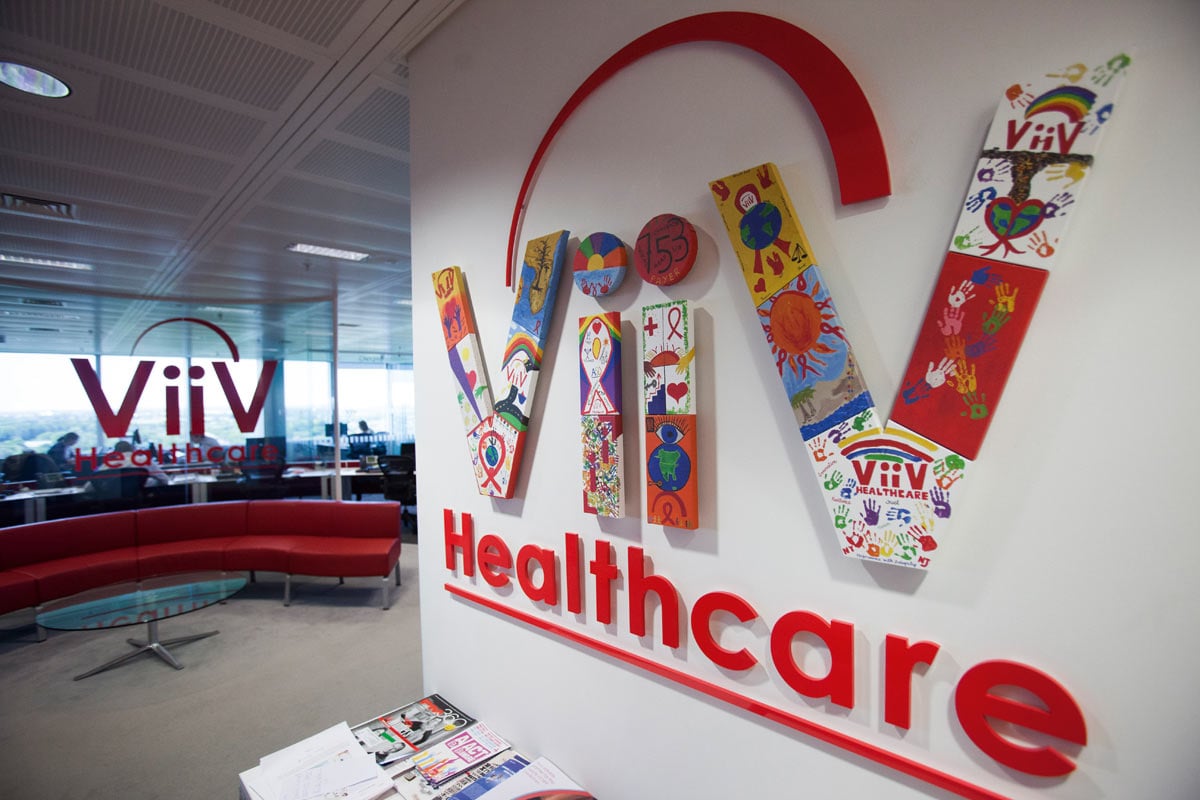
GSK spun off its HIV treatments into ViiV Healthcare in 2009, combining it with Pfizer's former R&D efforts in the field. ViiV markets Ziagen, Trizivir, Epzicom and abacavir as part of its suite of drugs for HIV/AIDS.

Tag:

GlaxoSmithKline

Latest Headlines

Latest Headlines

Is GlaxoSmithKline prepping older products for spinoff?

The U.K.-based drugmaker posted disappointing profits for the first quarter as sales took a backwards step, partly because of revenue lost in the sale of over-the-counter products.

Pfizer's Prevnar 13, GSK's Synflorix pump up vaccination cost

BIO and the International Federation of Pharmaceutical Manufacturers & Associations warn that more funding is needed to maintain current immunization rates while adding new vaccines to programs.

BIO: R&D execs say tweaks boost drug-development process

While the success rate in developing new disease treatments remains alarmingly low, a cadre of R&D executives from some of the world's biggest drug developers insisted at BIO that they've zeroed in on a number of ways to boost the chance a promising drug will actually reach patients.

State AGs amp up legal attacks on Big Pharma

Maverick states could cost Big Pharma big money. Though many drugmakers have wrapped up marketing settlements with the federal government--and states willing to go along--they're now facing claims from state attorneys general who are bold, stubborn, ambitious, or all of the above.

GlaxoSmithKline and Avalon Ventures forge $495M biotech startup alliance

The London-based drug giant has partnered with veteran life sciences investors at Avalon Ventures to bankroll a crop of drug-hunting startups in San Diego, with GSK committing the bulk of the alliance's $495 million to fuel the new companies.

Ready to target GlaxoSmithKline, Sanofi wins 6-in-1 vaccine nod in EU

Sanofi Pasteur is ready to aim its new 6-in-1 infant vaccine at rival GlaxoSmithKline. The vaccine maker won European approval for the immunization, putting Glaxo's Infanrix Hexa on notice for the first time since 2005.

GSK, Allergan marred by CMO setbacks

Two big-time drugmakers are having to put their plans on hold thanks to problems with contract manufacturers, with GlaxoSmithKline facing a prolonged drug shortage and Allergan enduring an FDA rejection.

Pharma giants' oral EPO alternatives could cater to dopers

GlaxoSmithKline CEO Andrew Witty has high hopes for an experimental pill his company is developing for anemia, as the drug could offer an oral alternative to injected EPO therapies.

New GlaxoSmithKline lung drug nabs thumbs-up from FDA experts

The agency advisers weren't unanimous in backing GSK's follow-up to now-off-patent Advair, however.

Will Brazil grab the emerging-markets popularity crown?

China and India may top the list of fastest-growing pharma markets, but Brazil is no slouch, either. Drugmakers are wheeling and dealing there at an increasingly faster pace, as companies like Merck and Reckitt Benckiser join old-timers like Sanofi and GlaxoSmithKline in beefing up there.